
The Rogue Prince of Persia: Can Evil Empire’s Latest Vault Beyond Dead Cells’ Colossal Legacy in Early Access?










Popular Now
 Warframe
 Fall Guys
 CarX Street
 BeamNG.drive
 Rust
Rust
 Auto X Drift Racing 3
 Black Myth: Wukong
 R.E.P.O
Valorant
R.E.P.O
Valorant
 Free Fire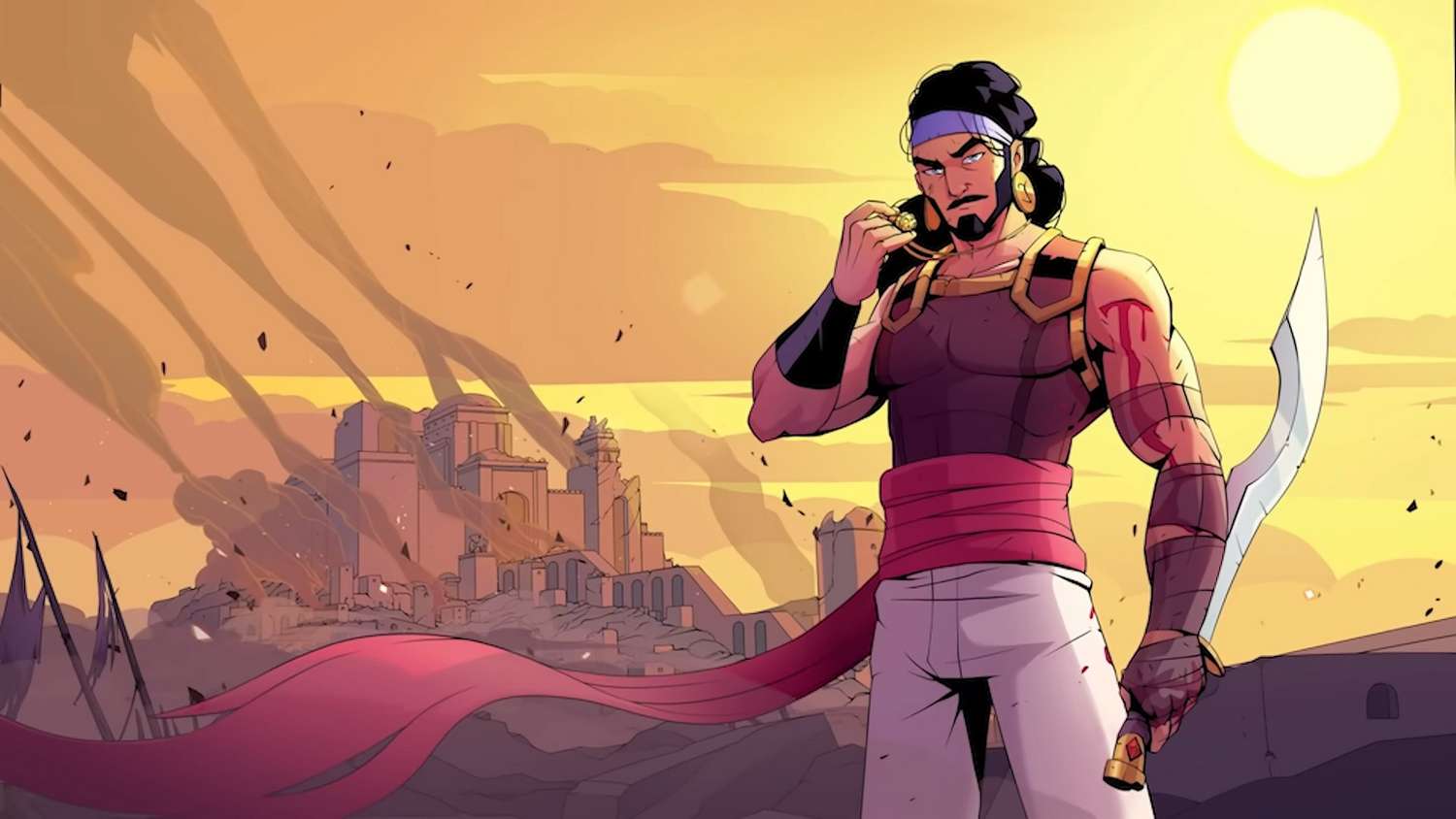
The Rogue Prince of Persia, developed by Evil Empire (the studio that handled much of the post-launch content for Dead Cells), is currently forging its identity in Early Access, but initial reception and metrics suggest it faces a significant challenge in vaulting beyond its spiritual predecessor’s colossal shadow. While the game boasts an excellent, fluid platforming focus and gorgeous visuals, the consensus is that the combat system—a core strength of Dead Cells—is currently not as deep or polished, leading to lower initial player engagement metrics.
The key to the game’s long-term success, and its ability to replicate the Dead Cells phenomenon, lies in the continued development of its unique Medallion System and the integration of its acrobatic movement into its combat loop, a strategy critical for maximizing Player Lifetime Value (PLV) in the hyper-competitive roguelite market.
The Innovative Core: Parkour as Combat
The Rogue Prince of Persia distinguishes itself by placing its legendary parkour and wall-running mechanics at the heart of the gameplay, giving it a distinct identity from the pure combat-focus of Dead Cells. This is the game’s unique selling proposition, driving strong interest and high search volume for “Rogue Prince of Persia movement guide.”
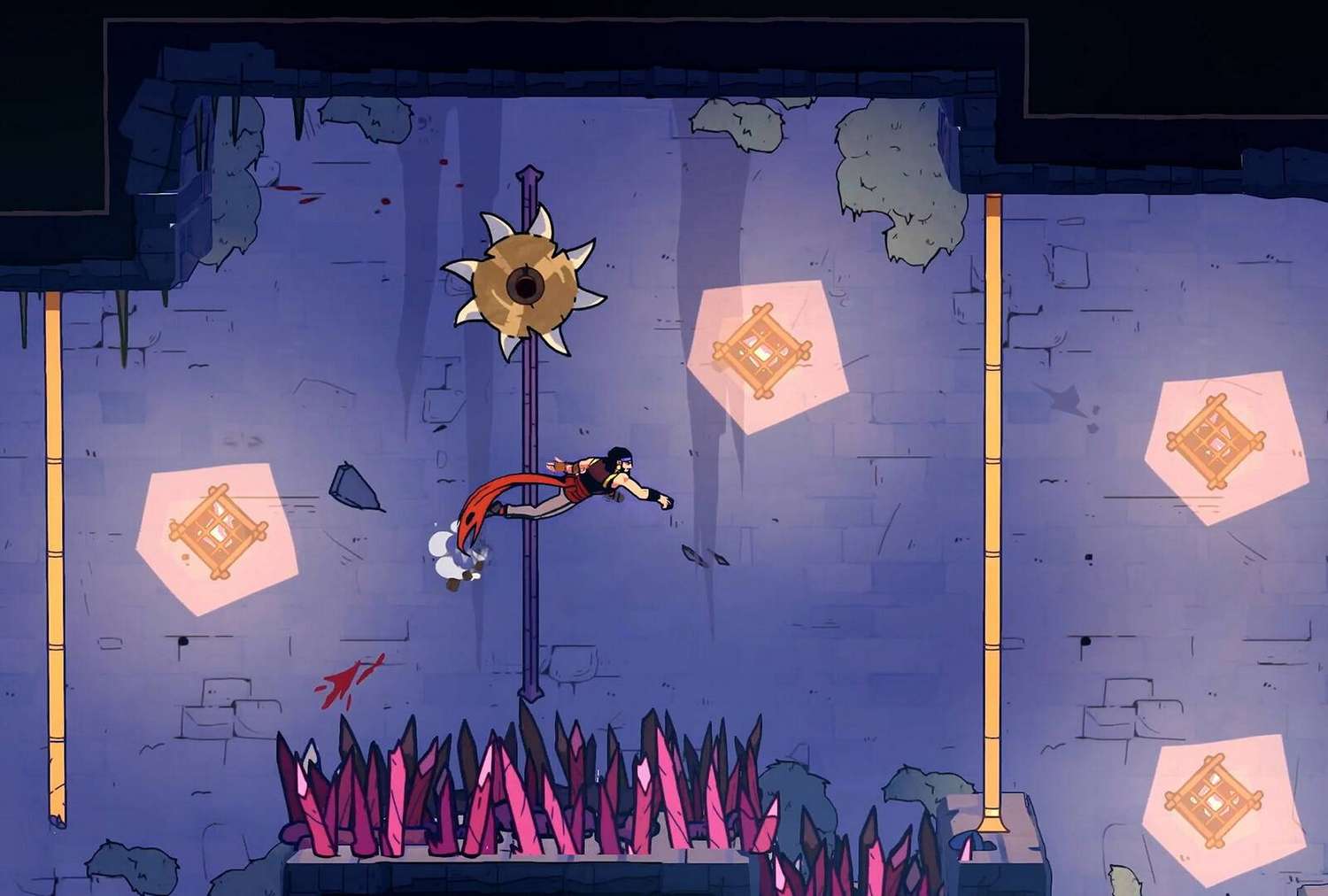
- Wall-Run Mobility: The ability to seamlessly wall-run, wall-jump, and vault over enemies is not just for traversal but is actively incorporated into combat combos and boss avoidance. This creates a much more vertical and acrobatic combat experience than Dead Cells.
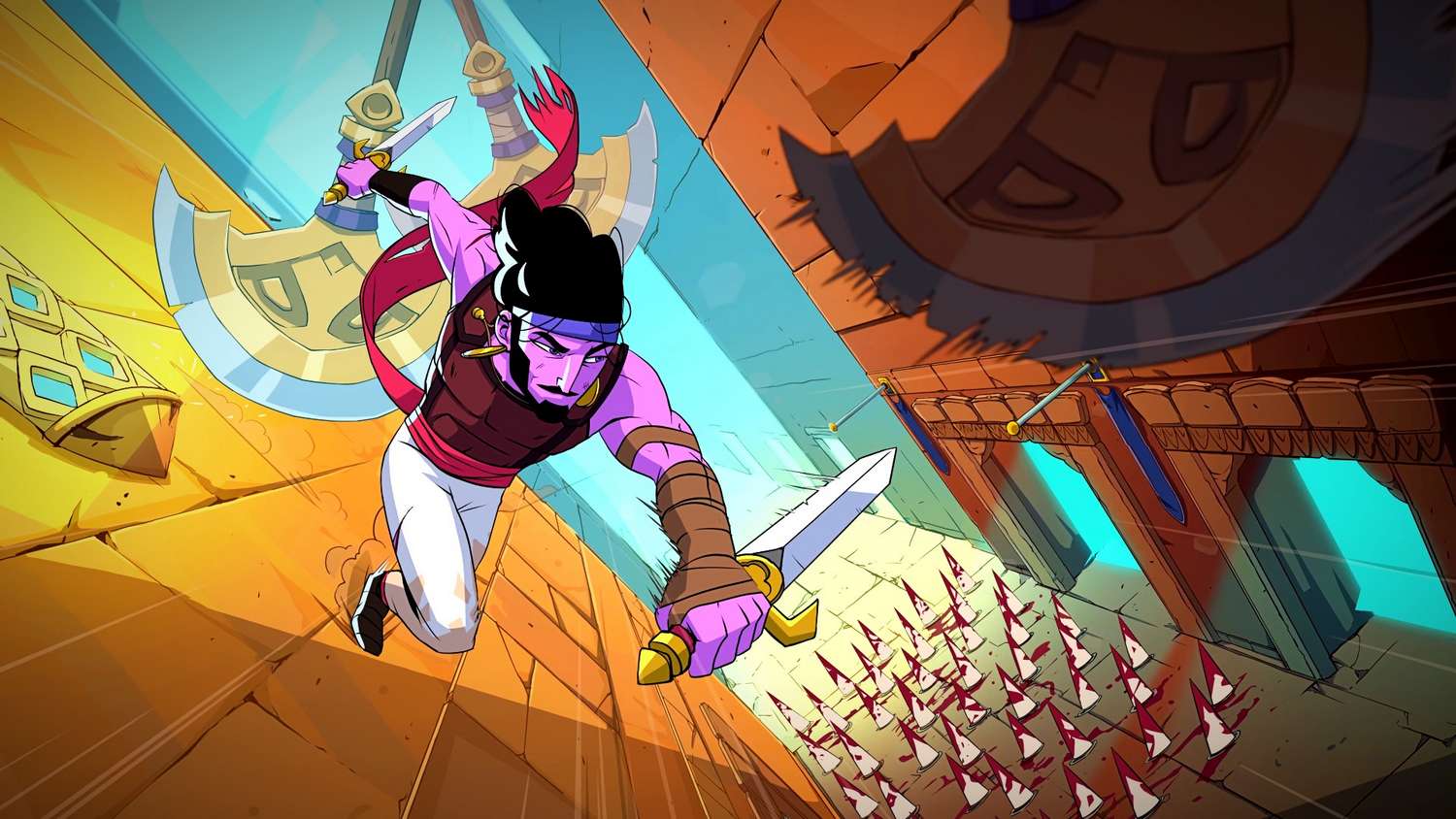
- Kicks and Disruption: The Prince can perform a powerful kick that knocks enemies backward, often sending them flying into traps, spikes, or other enemies for tactical damage. This mechanic provides a unique strategic layer, rewarding precise positioning and environmental awareness.
- Amulet Metaprogression: The roguelite structure is tied to a magical amulet, allowing the Prince to resurrect at an initial hub, the Oasis, where he can spend collected spirits to permanently unlock new weapons and skills—a familiar and rewarding metaprogression loop common to the genre.
The fluidity of the movement is often cited as the game’s greatest success, providing an immediate and strong foundation for the Early Access period.
 The Comparison Paradox: Dead Cells vs. Rogue Prince Metrics
 The Comparison Paradox: Dead Cells vs. Rogue Prince Metrics
Despite the strong foundation, early metrics and player sentiment indicate that The Rogue Prince of Persia has not yet achieved the explosive early success of Dead Cells in terms of raw player numbers and perceived difficulty curve.
- Initial Player Count: Launch data showed peak concurrent players on Steam at less than 1,000, which is low for a high-profile Ubisoft/Evil Empire project. Conversely, Dead Cells demonstrated a far greater viral trajectory, showcasing the difficulty of replicating such an Organic Growth curve.
- Difficulty and Depth: Many players find The Rogue Prince of Persia to be easier than Dead Cells, particularly in boss encounters. The combat is described as “decent” but lacking the “punchy,” tight feel and sheer build versatility that defined Dead Cells’ lasting appeal.
- The Medallion System: This system allows players to augment their weapons with passive buffs based on their placement in a row. Early Access updates have already focused on a Medallion Rework to deepen its strategic impact, acknowledging its importance in creating the run-to-run variability that drives replayability.
The prevailing sentiment is that while the quality of the content is good, the quantity and mechanical depth are not yet on the level of Dead Cells’ 1.0 release, emphasizing the immense development effort required to sustain a true roguelite legacy.
The Roadmap to Redemption: Content and Polish
 The Roadmap to Redemption: Content and Polish
Evil Empire’s roadmap for the remainder of Early Access centers on expanding the core loop and addressing the current depth deficit. The key to successful vaulting over the Dead Cells legacy is proving that the team can introduce continuous, high-quality content that elevates the combat to the level of the movement.
- Weapon Expansion: A planned update promises to triple the amount of weapons to diversify playstyles, a direct response to the community’s desire for greater combat depth.
- New Biomes and Bosses: The structured release of new levels, bosses, and story elements throughout Early Access is the traditional method for driving repeated engagement and maximizing the game’s final 1.0 value proposition.
By continually polishing the combat, deepening the Medallion system, and leveraging the game’s visually striking cel-shaded art style and superior movement, The Rogue Prince of Persia has the opportunity to evolve into a critically successful roguelite platformer. However, the ultimate determination of whether it matches Dead Cells’ colossal legacy will depend on the final content package and the execution of its planned mechanical reworks.