
The Enduring Appeal of Dragon Quest 1: Why This Retro JRPG Remains a Modern Gaming Gem









Popular Now
 R.E.P.O
 Gacha Club
 EA SPORT FC 25
 Candy Crush Saga
 Call of Duty
PUBG Mobile
Call of Duty
PUBG Mobile
 Rust
Rust
 The Legend of Zelda
 Fall Guys
 Poppy Playtime
Revisiting a Legend: Dragon Quest 1’s Timeless Grandeur
In the vast pantheon of video game history, few titles command the respect and affection afforded to the original Dragon Quest. Launched in 1986 in Japan as Dragon Warrior in North America, this foundational JRPG classic by Enix (now Square Enix) didn’t just lay the groundwork for a genre; it sculpted the very blueprint many developers would follow for decades. What’s truly astonishing, however, isn’t merely its historical significance, but how remarkably well Dragon Quest 1 holds up for contemporary players, offering an unfiltered, distilled essence of what makes role-playing games so captivating. In an age of sprawling open worlds and hyper-realistic graphics, the NES classic continues to provide a profound and surprisingly modern player experience.
Many might approach a nearly 40-year-old game with trepidation, expecting archaic mechanics, frustrating design, and a narrative that fails to resonate. Yet, DQ1 defies these expectations with an elegance born from its simplicity and ingenious design choices. It’s a testament to its creators’ vision – particularly designer Yuji Horii, artist Akira Toriyama, and composer Koichi Sugiyama – that its core gaming nostalgia and fundamental enjoyment remain intact, offering significant entertainment value even today.
The Birth of a Genre: Simplicity as a Masterstroke
At its core, Dragon Quest 1 is a tale of a lone hero, a descendant of the legendary Erdrick, tasked with vanquishing the nefarious Dragonlord and rescuing Princess Gwaelin from his clutches. This seemingly straightforward premise belies a revolutionary structure for its time. Unlike earlier computer RPGs that often relied on obtuse interfaces and complex command inputs, Dragon Quest streamlined the experience for consoles, making the turn-based combat and exploration accessible to a wider audience. This focus on user-friendliness was a critical factor in its success and its enduring legacy.
What truly elevates DQ1 beyond a mere historical curiosity is how its simple mechanics contribute to a deeply satisfying loop:
- Exploration: The world of Alefgard, though pixelated, feels expansive. Discovering new towns, dungeons, and hidden secrets provides a genuine sense of adventure. There’s a tangible reward for venturing off the beaten path, fostering keen player engagement.
- Combat: The one-on-one combat system is deceptively simple but requires strategic thinking. Understanding monster weaknesses, managing MP for spells, and knowing when to retreat are crucial. This isn’t a button-mashing affair; every battle holds weight. The grind, often criticized in modern titles, feels organic and purposeful in DQ1, a necessary journey for character growth.
- Progression: Levelling up, acquiring better equipment, and learning new spells are immensely rewarding. Each increment feels significant, directly impacting the hero’s capability to face tougher foes. This clear feedback loop for character development is a foundational aspect of all successful RPGs.
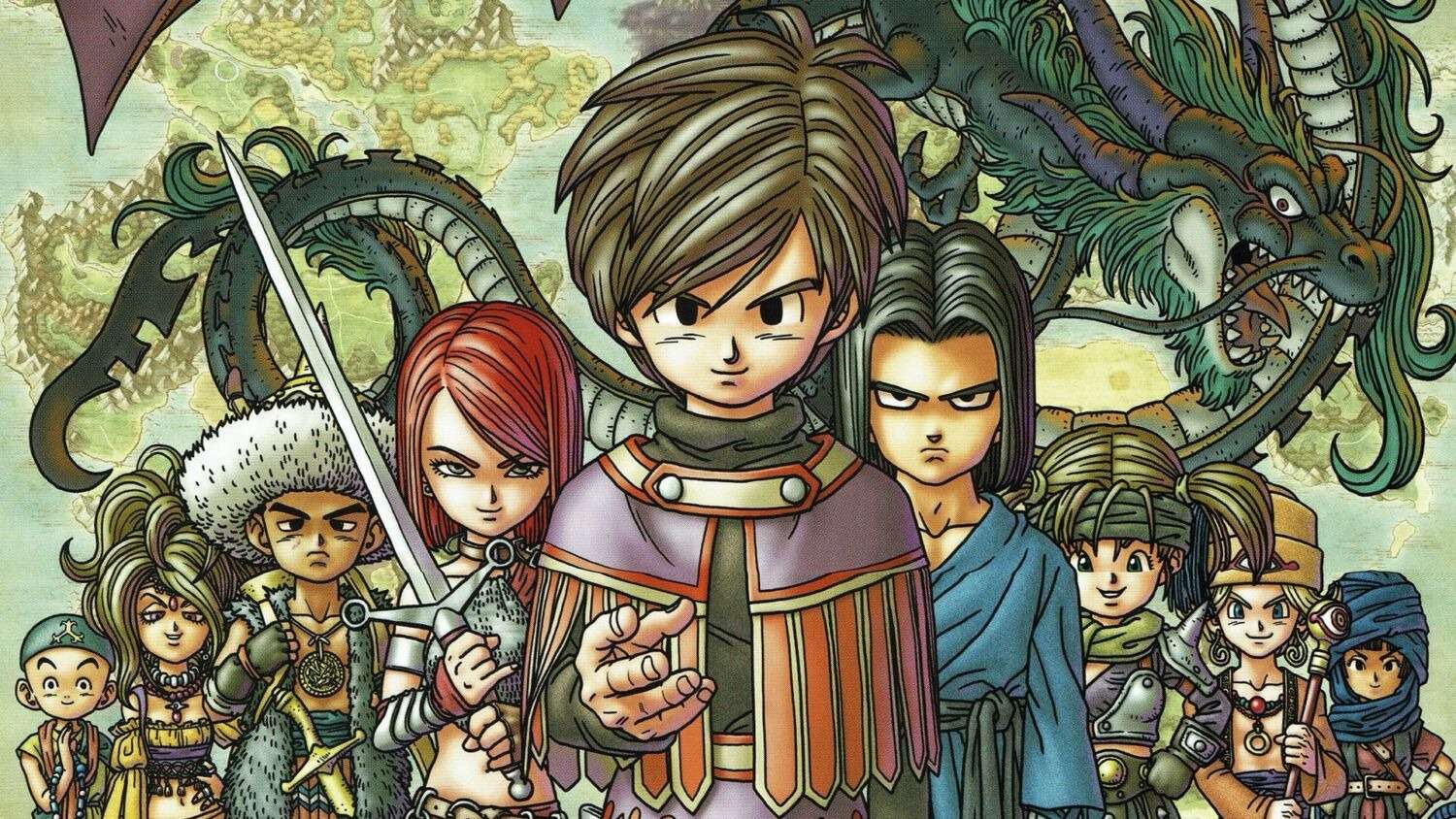
The clear objective, combined with a gradual unveiling of the world, pulls players into an immersive quest. It’s a masterclass in how to guide a player without holding their hand, offering a balanced challenge that remains engaging.
Iconic Foundations: Art, Sound, and Influence
Much of Dragon Quest 1‘s enduring appeal can be attributed to its distinct aesthetic and auditory contributions. The quirky, charming monster designs by Akira Toriyama, famous for Dragon Ball, are instantly recognizable and have become synonymous with the series. These designs lend a unique personality to every creature, making even the most common slimes iconic. This visual identity has become a crucial part of the Dragon Quest brand and its significant market impact.
Equally vital is the majestic and memorable score by Koichi Sugiyama. His orchestral compositions, from the iconic overworld theme to the tense battle music, elevate the experience far beyond what many expected from an 8-bit console. The music doesn’t just accompany the gameplay; it defines the mood, evokes emotion, and remains lodged in the minds of players long after the console is turned off. The synergy between Toriyama’s art and Sugiyama’s music created an unmistakable identity that continues to thrive across the franchise.
The influence of Dragon Quest 1 extends far beyond its immediate sequels. It standardized many RPG mechanics that became genre staples:
- The party system (even if DQ1 features a solo hero, it established the framework).
- Grinding for experience and gold.
- Towns with shops, inns, and information-giving NPCs.
- Dungeon crawling and boss encounters.
- A clear narrative progression with a definitive evil to overcome.
Without Dragon Quest, the landscape of JRPG gaming history, from Final Fantasy to Pokémon, would undoubtedly look dramatically different. It set an industry benchmark for console role-playing games, demonstrating the immense value proposition that interactive storytelling could offer.
Modern Accessibility and Timeless Value
For those eager to experience this progenitor of the JRPG, Dragon Quest 1 is surprisingly accessible today. While the original NES cartridge might be a collector’s item, modern ports and remakes are readily available on platforms like mobile devices (iOS and Android) and the Nintendo Switch (as part of the Dragon Quest I, II, III Collection). These versions often feature updated graphics, quality-of-life improvements, and clearer translations, making the game even more palatable for modern audiences without sacrificing its fundamental charm.
This accessibility ensures that new generations of players can discover the roots of the genre, providing valuable insight into developer vision and the evolution of game design. Playing DQ1 today isn’t just an exercise in historical appreciation; it’s a genuinely enjoyable adventure that reminds us of the core elements that make gaming great. Its straightforward design cuts through the bloat often found in contemporary titles, offering a refreshing return to fundamentals.
While some might point to its limited narrative depth or repetitive combat as drawbacks when compared to today’s cinematic RPGs, these perceived weaknesses are, for many, part of its charm. The focus isn’t on complex moral choices or branching storylines, but on the simple, yet profound, satisfaction of overcoming challenges, exploring a mysterious world, and embodying the hero’s journey. It’s a pure, unadulterated RPG experience, free from excessive tutorials or overwhelming side quests.
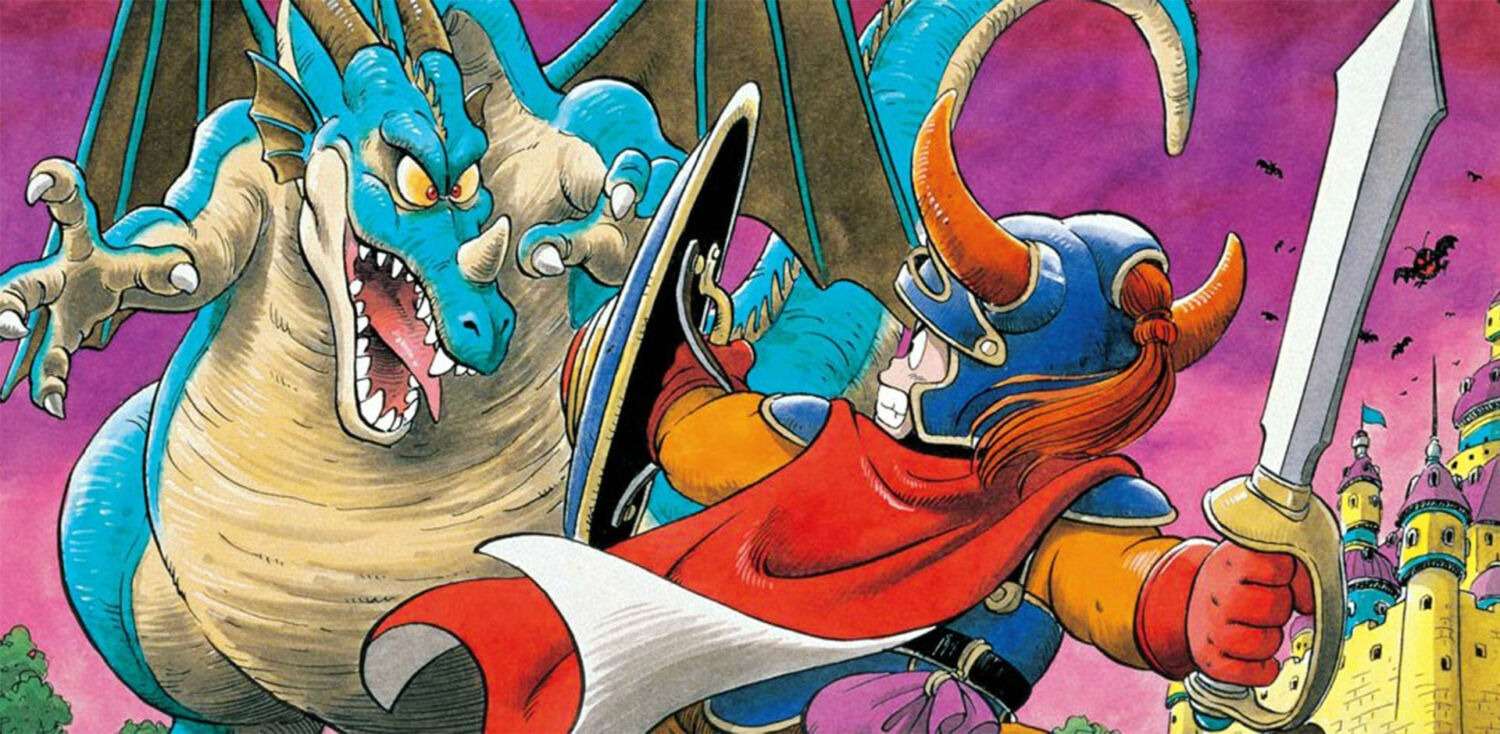
The Legacy Continues: A Must-Play for All Gamers
In conclusion, the assertion that Dragon Quest 1 holds up shockingly well isn’t an overstatement; it’s an undeniable truth. This game is more than just a piece of gaming history; it’s a vibrant, playable testament to intelligent design and enduring appeal. Its elegant simplicity, coupled with the iconic contributions of Toriyama and Sugiyama, forged a path for countless adventures that followed. Whether you’re a seasoned RPG veteran looking for a nostalgic trip or a newcomer curious about the genre’s origins, Dragon Quest 1 offers a truly rewarding and surprisingly fresh experience.
Its availability on modern platforms ensures its legacy will continue to thrive, allowing players to revisit the foundational quest that started it all. For its significant contributions to the entertainment software landscape and its continued ability to deliver genuine fun, Dragon Quest 1 remains a critical and highly recommended title, solidifying its place not just as a classic, but as a genuinely timeless masterpiece.