
Solo Leveling: ARISE Targets Japan’s Mobile RPG Hegemony – A Critical Review










Popular Now
 FIFA 23
 Among Us
 Fortnite
 Brawl Stars
 CarX Street
 Call of Duty
 The Legend of Zelda
 Free Fire Max
 Valorant
 Sonic the Hedgehog™ Classic
Leveling: ARISE Targets Japan’s Mobile RPG Hegemony – A Critical Review
The global phenomenon of Solo Leveling has transcended its webtoon origins, captivating audiences through its anime adaptation and now, with the eagerly anticipated launch of Solo Leveling: ARISE. Developed by Netmarble, this action-packed mobile RPG is making significant waves, prompting analysts and gamers alike to consider its potential impact on the highly competitive Japanese mobile gaming market. Can ARISE genuinely challenge the dominance of established giants and carve out a significant share, potentially even threatening the long-held cultural and commercial ‘throne’ traditionally occupied by IPs with the longevity of a One Piece?
This review delves into the core mechanics, monetization strategies, and overall player experience of Solo Leveling: ARISE, evaluating its prospects for sustained success and cultural penetration in Japan, a region renowned for its discerning mobile gamers and robust RPG titles.
Unpacking the Gameplay Experience: A Deep Dive into ARISE’s Combat and Design
At its heart, Solo Leveling: ARISE is an exhilarating action RPG that directly translates the visceral combat and thematic elements of its source material into a compelling interactive format. Players step into the shoes of Sung Jinwoo, experiencing his incredible journey from the weakest hunter to an unparalleled force. The combat system is a standout feature, offering dynamic, high-octane battles with responsive controls and impressive visual flair. Players can fluidly chain combos, execute dodge maneuvers, and unleash devastating ultimate abilities, capturing the essence of the webtoon’s iconic power fantasies.
Furthermore, the game introduces a robust system for managing and deploying Jinwoo’s shadow army, a key element that expands strategic depth beyond mere button-mashing. Recruiting and upgrading shadows adds a layer of tactical planning to boss encounters and higher-tier content. The graphical fidelity, particularly for a mobile game, is exceptionally high, delivering console-quality graphics that immerse players in a detailed and vibrant world. Character models are faithfully rendered, and skill animations are spectacular, contributing significantly to a premium gaming experience that immediately sets it apart from many contemporaries in the crowded anime game genre. The initial hours of gameplay are incredibly engaging, promising a thrilling ride for both fans of the IP and newcomers to the universe. However, the true test of any live service game lies in its ability to maintain this level of engagement over months, or even years, especially in a market as saturated as Japan’s.
Monetization, Gacha, and Player Retention: Navigating the F2P Landscape
Solo Leveling: ARISE operates on a free-to-play model, a standard for modern mobile RPGs, which means its long-term revenue and success are heavily reliant on its gacha mechanics and in-app purchases. The gacha system primarily revolves around acquiring new hunters, weapons, and artifacts, all crucial for progressing through increasingly difficult content. While the initial generous pull rates and early game rewards are designed to hook players, the mid-to-late game progression inevitably steers players towards significant investment to acquire top-tier gear and characters.
In Japan, where gamers are deeply familiar with and often critical of aggressive gacha implementations, Netmarble’s strategy will be under intense scrutiny. The balance between offering compelling content and encouraging spending without alienating its player base is delicate. A well-designed monetization strategy focuses on value and perceived fairness, rather than purely on coercive tactics. The game’s long-term player retention will depend not just on fresh content updates but also on how equitably it treats both its free-to-play and paying users. If the power gap between whales and casual players becomes too insurmountable, it could negatively impact the game’s competitive aspects and overall community health. Japanese gamers are known for their loyalty to titles that offer consistent quality, fair progression, and a strong sense of community, rather than purely relying on the strength of the IP.
Technical Performance, Accessibility, and Cultural Localization
A smooth technical performance is paramount for any competitive mobile title, and Solo Leveling: ARISE generally delivers a polished experience. Optimized for a wide range of mobile devices, the game runs fluidly, minimizing lag and crashes, which is crucial for an action-oriented title. The inclusion of a PC client further enhances accessibility, allowing players to enjoy the game on a larger screen with potentially better controls, catering to a broader segment of the gaming community who prefer desktop platforms for extensive play sessions. This multi-platform approach is a smart move for maximizing reach and engagement.
For the Japanese market specifically, cultural localization extends beyond mere language translation. It involves understanding specific gamer preferences, incorporating relevant cultural nuances, and often adapting marketing strategies to resonate deeply with the local audience. Netmarble has historically demonstrated a strong understanding of Asian markets, and their efforts in Japan will be key to Solo Leveling: ARISE’s success. This includes tailored events, collaborations, and community engagement initiatives that speak directly to Japanese gamers. Furthermore, providing a stable, low-latency online experience is non-negotiable for competitive play and social features, contributing significantly to overall player satisfaction and the game’s long-term viability in a region with high standards for online performance.
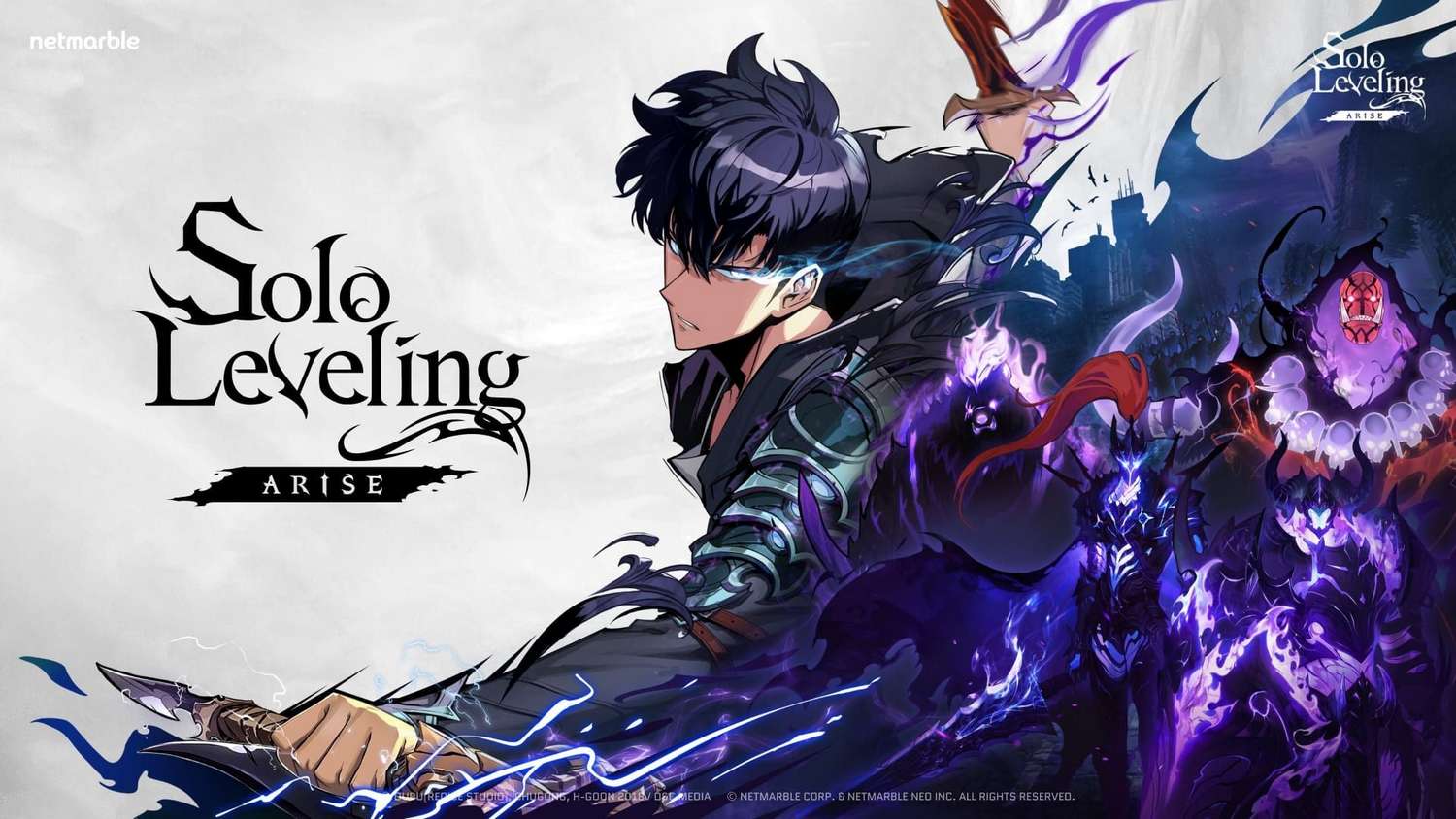
The Cultural Phenomenon Meets Gaming: ARISE’s Unique Position in Japan
The meteoric rise of Solo Leveling as a cultural phenomenon provides ARISE with an unparalleled advantage: a pre-existing, fervent fan base. This built-in audience is a powerful launchpad, ensuring high initial download numbers and player engagement. The anime’s success, in particular, has introduced the IP to a wider audience in Japan, many of whom might now be drawn to experience the story in an interactive format. This is where the comparison to an IP like One Piece becomes relevant – not in direct competition for anime viewership, but in terms of cultural saturation and the ability to convert broad appeal into dedicated gaming engagement.
While One Piece has decades of history and numerous successful game adaptations across various genres, Solo Leveling: ARISE aims to capitalize on the contemporary surge in its popularity. It offers a fresh, modern take on the action RPG formula, leveraging its stunning visuals and engaging narrative to attract both existing fans and new players. The challenge lies in converting initial curiosity into sustained commitment, especially given the fierce competition from established RPG titles and new releases. The novelty factor can only carry a game so far; the core gameplay loop, equitable monetization, and consistent content updates are what will truly define its longevity.
Challenges and Opportunities in the Japanese Market
The Japanese mobile gaming market is notoriously difficult to penetrate and dominate. It is characterized by a strong preference for domestic IPs, deeply entrenched franchises, and a sophisticated player base that demands high quality and often values unique gameplay experiences. Solo Leveling: ARISE faces stiff competition from titans like Fate/Grand Order, Monster Strike, and Genshin Impact, all of which have established massive player bases and robust monetization ecosystems. These games have cultivated years of loyalty and community engagement, making it a formidable battle for any newcomer.
However, ARISE also presents significant opportunities. Its global appeal and the sheer quality of its production can attract players looking for a high-fidelity, action-oriented RPG experience that stands apart from more traditional Japanese gacha games. The dark fantasy setting and compelling narrative provide a fresh aesthetic that can appeal to a demographic tired of more saccharine or whimsical offerings. Strategic partnerships, localized marketing campaigns emphasizing the game’s strengths, and responsive community management will be crucial for Netmarble to carve out a substantial niche. Moreover, tapping into the broader gaming trends, such as live service longevity and consistent content drips, will be essential for maintaining relevance and ensuring a steady stream of revenue.
Is Solo Leveling: ARISE a Contender for Dominance? A Final Verdict
Solo Leveling: ARISE arrives with immense potential, bolstered by a globally popular IP, stunning graphics, and a highly engaging action RPG combat system. It represents a significant effort from Netmarble to deliver a premium mobile RPG experience that resonates with modern gamers. In the context of the Japanese market, its bid for ‘dominance’ isn’t about dethroning the cultural behemoth of One Piece directly, but rather securing a significant and sustained share of the highly lucrative and competitive Japan mobile gaming market, particularly within the action RPG and gacha game segments.
While the initial launch and early engagement metrics look promising, the true test will be its ability to navigate the complex landscape of player expectations, monetization pressures, and continuous content demands. Success will hinge on Netmarble’s commitment to fair monetization, frequent and high-quality updates, effective localization, and fostering a strong, engaged community. Solo Leveling: ARISE possesses all the ingredients to become a major player, offering a compelling alternative in a market often defined by long-standing franchises. Whether it can maintain its momentum and establish itself as a perennial favorite, earning its place among Japan’s top-tier RPG titles, remains to be seen, but its potential to achieve significant revenue potential and influence gaming trends is undeniable. This game is certainly one to watch closely as it evolves.