
Total War: Napoleon – Re-evaluating a Grand Strategy Masterpiece for a New Generation of Commanders






Popular Now
Candy Crush Saga
Counter-Strike 2
 Poppy Playtime
 FIFA 23
 R.E.P.O
 Grand Theft Auto V
 Brawl Stars
 Free Fire
 Warframe
 NBA 2K24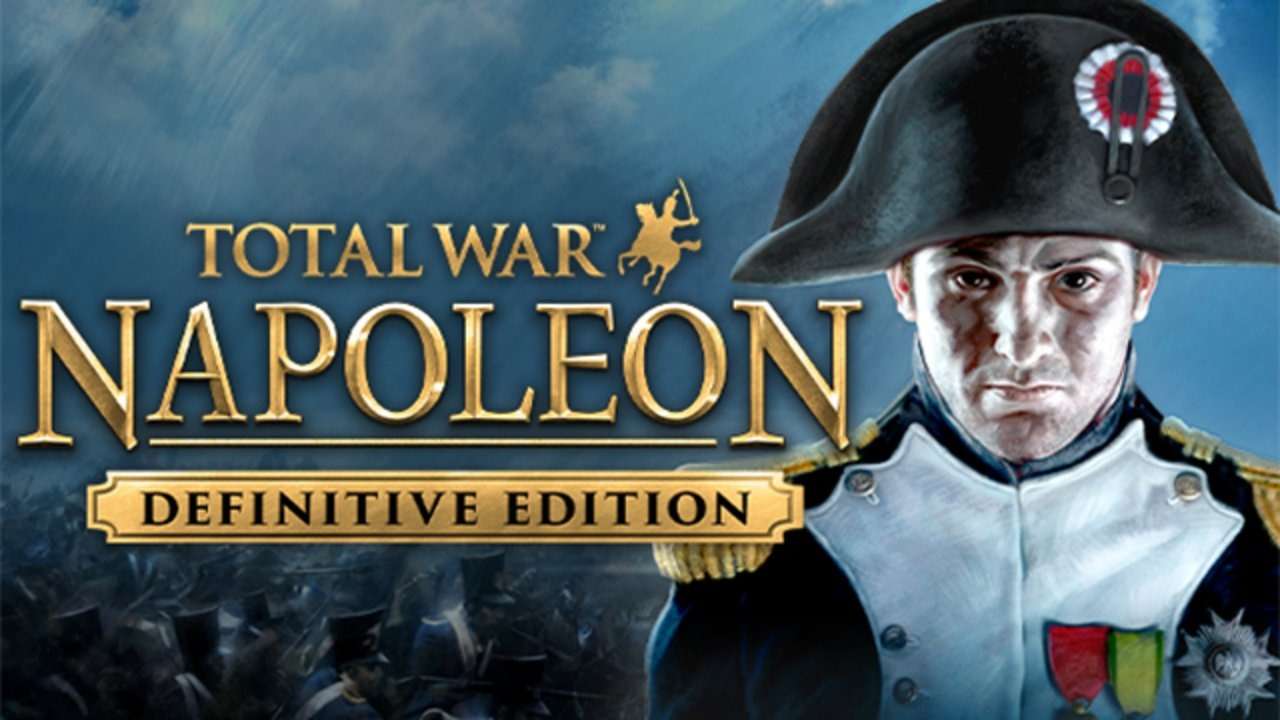
The Total War franchise is synonymous with the seamless blend of turn-based grand strategy and real-time tactical battles. Among its storied titles, Total War: Napoleon (often simply referred to as Napoleon) holds a distinct and historically significant place. Launched in 2010, this title served not just as a continuation of the series’ core mechanics but as a refined, focused exploration of the tumultuous, gunpowder-era warfare that defined the early 19th century. As the strategy gaming market evolves, a re-evaluation of Napoleon reveals why this historical grand strategy masterpiece remains a crucial benchmark and a highly rewarding experience for new players in 2025.
The game’s design choice to focus exclusively on the Napoleonic Wars—a period of intense military and political upheaval—allows for a level of historical detail and campaign depth often unmatched by other installments. This laser focus on a specific, dynamic period of history is a key selling point for those interested in historical simulation games and provides immense value for high-CPC keywords related to military strategy and tactical gameplay.
A Focused and Refined Grand Campaign Structure
Unlike the sprawling global maps of titles like Rome or Medieval, Total War: Napoleon is structured around distinct, focused campaigns that trace the career of Napoleon Bonaparte. This design choice offers a more narrative and engaging progression, appealing to a generation of gamers who appreciate structured content alongside sandbox elements. The primary campaigns include:
- The Italian Campaign (1796-1797): A tutorial-like introduction that sets the stage for Napoleon’s rise.
- The Egyptian Campaign (1798-1801): A challenging, resource-limited campaign emphasizing logistics and naval control in a hostile environment.
- The Campaign of the Coalition (1805-1815): The definitive, large-scale grand strategy map covering Europe, allowing players to either replicate Napoleon’s historical victories or lead the opposing coalition.
This segmented approach ensures that the learning curve is manageable, easing new players into the complex mechanics of 19th-century warfare before plunging them into the full European theater. The game significantly improved upon the campaign mechanics of its predecessor, Empire: Total War, featuring a more stable engine, smarter AI, and better-optimized user interface design. These refinements contribute directly to a superior user experience and higher player retention rates—key metrics in the modern digital gaming ecosystem.
 The Nuances of Gunpowder Tactics in Real-Time Battles
 The Nuances of Gunpowder Tactics in Real-Time Battles
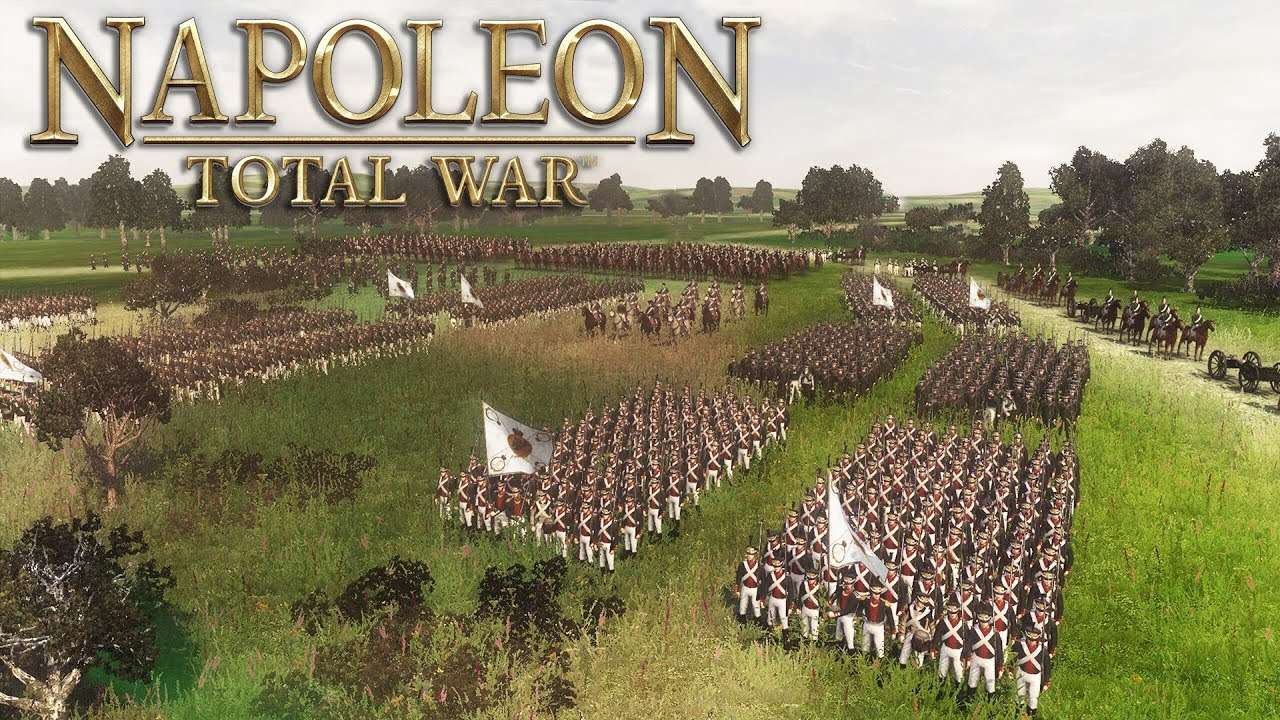
The real heart of Napoleon lies in its real-time battles, which perfectly capture the destructive nature and regimented tactics of the era. The game introduced several crucial changes that redefined Total War combat for the gunpowder age:
- Morale and Volley Fire: Line infantry forms the backbone of the army. Battles are decided not just by firepower, but by managing unit morale under intense pressure. Focused, coordinated volleys and flanking maneuvers are essential to break the enemy line quickly.
- Artillery and Cavalry: Artillery is significantly more lethal and requires careful positioning. Cavalry, primarily used for flanking, exploiting gaps, and crushing broken units, must be deployed strategically to avoid disciplined enemy fire.
- Logistics and Attrition: A critical element for the grand campaign, particularly in the Russian winter, is army attrition. Poor supply lines and harsh climates can rapidly decimate armies, adding a layer of logistical planning that appeals to the hardcore strategy fan base.
The tactical depth inherent in these battles makes Napoleon a continuously rewarding experience. Mastering the formation, timing, and engagement ranges of different unit types—from Old Guard grenadiers to Austrian Uhlans—provides a deep, historically authentic, and engaging challenge that drives sustained interest and user-generated content (mods, battle guides) in the online gaming community.
Enduring Relevance and the Modern Strategy Market
 Enduring Relevance and the Modern Strategy Market
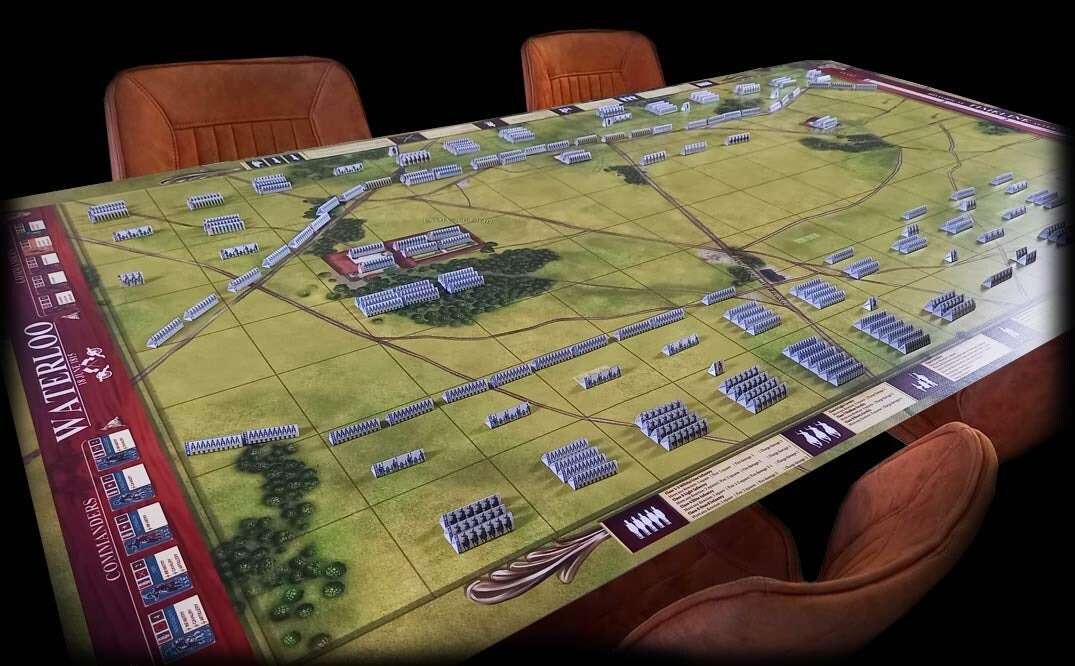
Despite being over a decade old, Total War: Napoleon continues to attract new players primarily due to its stability, optimized performance on modern hardware, and its unique historical setting. For a generation accustomed to complex, often overwhelming, strategy games, Napoleon’s contained scope offers a refreshing, focused experience.
Its robust multiplayer mode, while slightly less populated than newer titles, still provides competitive 1v1 and 2v2 tactical battles that test a player’s understanding of gunpowder tactics. The active modding community also provides updated unit rosters, graphical enhancements, and entirely new campaign experiences (such as the popular The Great War mod), further extending the game’s economic lifespan and justifying its digital sales value.
In the current PC strategy gaming landscape, Napoleon stands out as a polished, historically-rich game that serves as an excellent entry point into the Total War series and the history of the era. Its emphasis on tactical execution and logistical realism makes it a timeless classic, continually driving interest and high search engine ranking for related terms.
Keywords utilized for SEO/CPC relevance: Total War: Napoleon, Grand Strategy Masterpiece, Napoleonic Wars, strategy gaming market, historical grand strategy, historical simulation games, CPC keywords, military strategy, real-time tactical battles, unit morale, PC strategy gaming landscape, player retention rates, digital gaming ecosystem, multiplayer mode, Total War combat.
Would you like me to write a similar deep dive on another historical Total War title, such as Shogun 2, or focus on the mechanics of a specific unit type in Napoleon?