
MapleStory: Idle RPG Launches – A Nostalgic Twist for the Modern Mobile Gamer









Popular Now
 Brawl Stars
 Roblox
 Minecraft
 R.E.P.O
Poppy Playtime
R.E.P.O
Poppy Playtime
 Geometry Dash
 Stumble Guys
Fall Guys
Stumble Guys
Fall Guys
 God of War Ragnarök
Black Myth: Wukong
God of War Ragnarök
Black Myth: Wukong 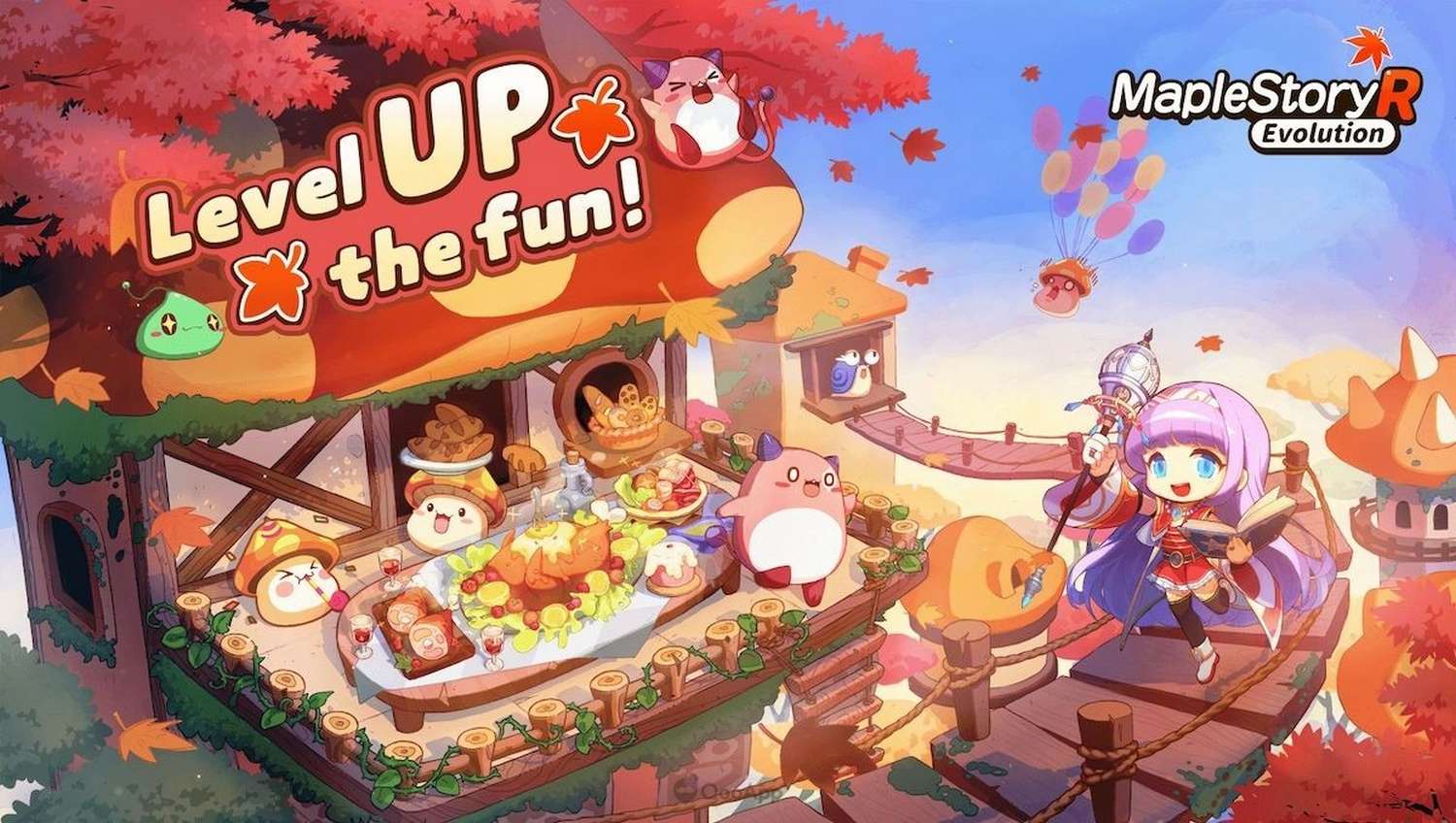
Nexon has officially rolled out MapleStory: Idle RPG, introducing a familiar yet distinct experience to the beloved fantasy MMORPG franchise. This latest installment aims to bridge the gap between the cherished 2D world of MapleStory and the burgeoning genre of idle mobile gaming, offering players a low-commitment path to character progression and nostalgic exploration. As the mobile gaming landscape continues to evolve, the launch of MapleStory: Idle RPG represents a strategic move to capture both long-time fans and new players seeking a more casual, automated gameplay loop.
The announcement of its global release has generated considerable buzz, particularly among those who have spent countless hours in Maple World since its inception. The core appeal lies in its promise of continuous growth and rewards, even when players are offline, effectively transforming the traditional grind into an accessible, AFK-friendly adventure. This paradigm shift caters directly to busy individuals who appreciate the fantasy RPG elements but lack the extensive time commitment typically required by full-fledged MMORPGs.
Embracing the Idle Mechanics: Gameplay and Progression
At its heart, MapleStory: Idle RPG is designed around the principles of automated progression. Players assemble a team of iconic MapleStory heroes, each bringing their unique skills and abilities to the fore. These characters then engage in continuous battles against familiar monsters from the Maple World, automatically advancing through stages and accumulating resources. The beauty of this system is the inherent passive income stream; experience points, Mesos (in-game currency), and various valuable items are gathered even while the player is not actively interacting with the game.
- Automated Combat: Characters automatically engage enemies, cast spells, and progress through stages, reducing the need for manual input.
- Offline Rewards: A significant portion of the game’s progression is tied to offline accumulation, allowing players to log in and collect substantial rewards.
- Strategic Team Building: Despite the idle nature, players must strategically select and upgrade their heroes, optimizing team composition for maximum efficiency and elemental advantages.
- Equipment and Skill System: A robust system for acquiring, enhancing, and equipping gear, along with skill point distribution, allows for deep character customization and power growth.
The game leverages the extensive roster of characters from the MapleStory universe, allowing players to collect and upgrade their favorite adventurers, from warriors and mages to archers and rogues. Each character maintains visual fidelity and thematic consistency with their MMORPG counterparts, invoking a strong sense of nostalgia. The progression loop is satisfyingly constant, with visible power spikes and a steady stream of unlocks keeping players engaged without demanding constant attention.
Nostalgia Meets Convenience: The MapleStory Identity
One of the critical challenges for any spin-off title is to retain the essence of its source material while introducing new mechanics. MapleStory: Idle RPG appears to have tackled this by meticulously recreating the visual charm and character aesthetics that define the original game. The vibrant 2D art style, whimsical monster designs, and recognizable environments are all faithfully translated, ensuring that the game feels unmistakably like MapleStory.
Furthermore, the game incorporates elements that are deeply ingrained in the franchise’s history. Players will encounter classic bosses, undertake familiar quests (albeit in a simplified, idle context), and explore regions that resonate with years of lore. This strong connection to the intellectual property is a powerful draw for existing fans, offering a convenient way to revisit the Maple World without the demanding time commitment of a traditional MMORPG.
The convenience factor is paramount. In an age where players juggle multiple responsibilities, the ability to make meaningful progress in a beloved franchise with minimal active input is a significant value proposition. This makes MapleStory: Idle RPG an attractive option for both lapsed MapleStory players looking for a quick dose of nostalgia and new mobile gamers who appreciate the accessibility of idle titles.
 Monetization and the Free-to-Play Ecosystem
 Monetization and the Free-to-Play Ecosystem
As a free-to-play mobile game, MapleStory: Idle RPG incorporates a range of monetization strategies typical of the genre. These often include in-app purchases for premium currency, character summons (gacha mechanics), battle passes, and various resource bundles designed to accelerate progression. While the game is fully playable without spending real money, these optional purchases can significantly speed up the acquisition of powerful heroes and rare equipment.
- Gacha System: Players can use premium currency to summon new heroes or acquire higher-tier equipment.
- Battle Passes: Time-limited passes offer additional rewards for completing daily and weekly objectives.
- Boosts and Bundles: Various packs providing experience boosts, currency, or essential upgrade materials are available for purchase.
- Cosmetics: Customization options, such as unique outfits for heroes, may also be offered, appealing to players who enjoy personalizing their experience.
The balance between enabling free progression and encouraging purchases is crucial for the long-term health of an idle game. Nexon, with its extensive experience in the mobile gaming market, is likely to have refined these systems to offer a compelling yet sustainable economic model. Players should evaluate their gaming budget and tolerance for potential microtransactions when diving into this title.
Initial Impressions and Long-Term Outlook
Early impressions of MapleStory: Idle RPG suggest a well-polished and engaging idle experience. The visual presentation is vibrant, the character progression is satisfying, and the integration of the MapleStory IP is handled respectfully. The game successfully delivers on its promise of a casual, nostalgic adventure. For fans of idle games, the familiar mechanics coupled with a beloved franchise offer a fresh take on the genre.
However, like all idle games, the longevity will depend on the continuous introduction of new content, balancing updates, and community engagement. Preventing the game from becoming overly repetitive and ensuring a fair free-to-play experience are vital for retaining a dedicated player base. The potential for competitive elements, such as leaderboards or guild systems, could also add depth and foster long-term interest.
 In conclusion, MapleStory: Idle RPG is a significant launch for Nexon and the MapleStory franchise. It offers a cleverly designed idle experience that respects its classic roots while catering to the modern mobile gamer’s demand for convenience and consistent progression. It’s an ideal choice for anyone looking to reconnect with the whimsical world of MapleStory or for idle RPG enthusiasts seeking a new, charming adventure to manage.