
Gore Verbinski’s Unhinged Sci-Fi Vision: Reviewing ‘Cerebral Drift,’ A Masterclass in Psychological Gaming










Popular Now
 Free Fire
 Fall Guys
 Toca Boca World
 Genshin Impact
 Stumble Guys
 EA SPORT FC 25
 FIFA 23
 Fortnite
 Brawl Stars
 Gacha Club
When one considers the landscape of modern cinema, few directors possess the distinctive, often unsettling flair of Gore Verbinski. Known for his ambitious storytelling, visually arresting aesthetics, and a penchant for diving into the darker recesses of the human psyche, Verbinski has left an indelible mark on Hollywood. From the grand scale of the Pirates of the Caribbean saga to the darkly comedic animation of Rango, and especially the profoundly unsettling psychological horror of A Cure for Wellness, his filmography defies easy categorization. His ability to weave intricate narratives with a palpable sense of dread and surrealism has many wondering: what if this cinematic genius turned his gaze towards the interactive medium of video games? This hypothetical venture forms the basis of our exploration, as we delve into ‘Cerebral Drift: A Verbinski-esque Nightmare,’ a conceptual game that perfectly encapsulates the director’s unhinged science fiction sensibilities and redefines the psychological thriller genre in gaming.
The Genesis of the Unhinged: Verbinski’s Cinematic Legacy
Gore Verbinski’s unique approach to filmmaking is characterized by a blend of spectacle and psychological depth. He isn’t afraid to confront audiences with uncomfortable truths or challenge their perceptions of reality. Take, for instance, his cult classic A Cure for Wellness. This film, a visually stunning yet deeply disturbing journey into a mysterious wellness center, embodies an ‘unhinged’ science fiction sensibility where medical ethics blur with sinister experiments, all shrouded in an eerie, aristocratic elegance. This meticulous attention to atmosphere, combined with a narrative that slowly unravels into madness, offers fertile ground for game development. Imagine a game where player agency directly influences the descent into a similar labyrinthine nightmare, where every choice ripples through a meticulously crafted, oppressive world.
Verbinski’s works often feature protagonists thrust into bizarre, often hostile environments, forced to grapple with existential threats and their own sanity. This core theme of psychological struggle within an otherworldly or distorted reality is a cornerstone of compelling interactive experiences. The director’s use of rich, detailed set pieces and intricate character arcs suggests a blueprint for immersive game design, where the environment itself becomes a character, and the narrative stakes are intensely personal. For SEO value, consider the demand for cinematic gaming experiences and narrative-driven games, areas where Verbinski’s influence could be transformative.
Introducing ‘Cerebral Drift’: A Review of a Hypothetical Masterpiece
For the purpose of this in-depth review, we’re imagining ‘Cerebral Drift: A Verbinski-esque Nightmare‘ as a cutting-edge psychological thriller game that pushes the boundaries of interactive storytelling. Developed by a visionary, hypothetical studio aiming to capture the essence of Verbinski’s style, ‘Cerebral Drift’ is not merely a game; it’s an experience designed to meticulously dismantle the player’s perception of reality, echoing the director’s most ambitious projects. This title represents the zenith of what next-gen gaming can achieve when inspired by truly unhinged creative vision.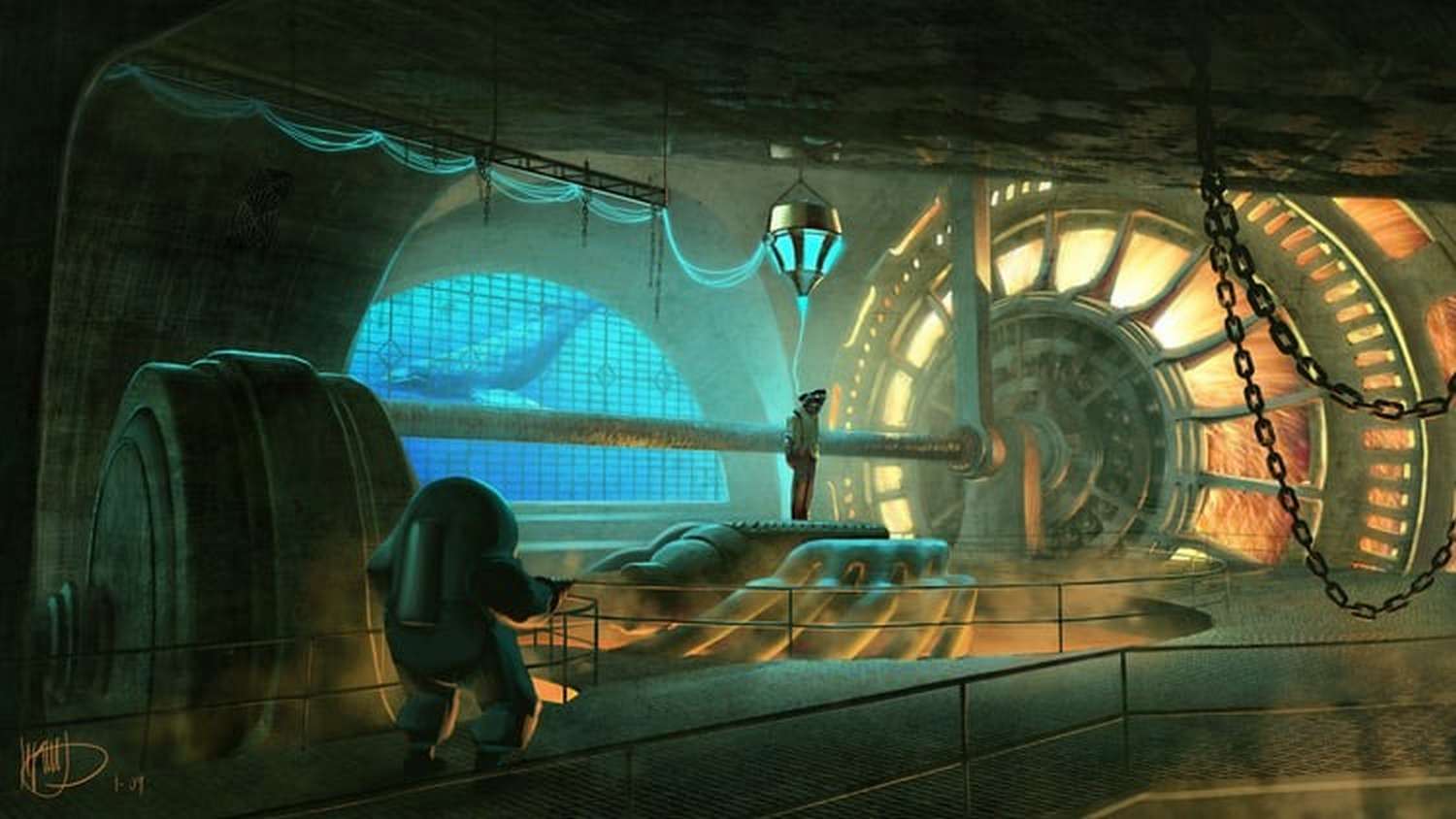
- Gameplay: Deconstructing Reality‘Cerebral Drift’ excels in its innovative gameplay mechanics, which prioritize psychological tension over jump scares. Players assume the role of an investigator awakening in a derelict orbital research station, where the laws of physics and sanity appear to be optional. The core gameplay loop involves exploring meticulously designed environments, solving complex, often abstract puzzles that require lateral thinking, and piecing together a fractured narrative through environmental storytelling and cryptic data logs. Combat, when present, is sparse and brutal, emphasizing survival and evasion rather than direct confrontation, forcing players to confront their vulnerability. A key mechanic is the ‘Sanity System,’ where prolonged exposure to the station’s bizarre phenomena or witnessing gruesome events degrades the protagonist’s mental state, leading to hallucinations, unreliable narration, and altered gameplay mechanics. This creates genuine, visceral player investment and heightens the stakes in every encounter. The emphasis on player choices and their far-reaching consequences truly makes this an unhinged narrative-driven experience.
- Narrative & World-Building: The Mind’s LabyrinthThe story of ‘Cerebral Drift’ is its undeniable highlight, a complex narrative arc worthy of Verbinski himself. Players uncover the horrifying truth behind the research station’s catastrophic failure and the grotesque experiments conducted there, all aimed at manipulating human perception and consciousness. The plot is not linear; instead, it unfolds through multiple perspectives, fragmented memories, and unsettling revelations that challenge the very fabric of existence. The characters, even those only glimpsed through audio logs or distorted visions, are deeply unsettling and memorable. The world-building is extraordinary, crafting a truly immersive and terrifying sci-fi setting that feels both futuristic and ancient, scientific and profoundly mystical. The game’s narrative skillfully leverages themes of existential dread, body horror, and the corruption of power, resonating with the very best of science fiction thrillers and delivering a powerful, thought-provoking journey that is a far cry from conventional digital entertainment.
- Visuals & Sound: An Aesthetic of DiscomfortVisually, ‘Cerebral Drift’ is a masterpiece of atmospheric horror. Utilizing cutting-edge graphics and advanced lighting techniques, the game crafts a world of exquisite decay and unsettling beauty. From the glistening, biomechanical textures of mutated organisms to the stark, sterile corridors bathed in sickly greens and blues, every frame is meticulously composed. The art direction draws heavily from brutalist architecture mixed with organic, cancerous growths, creating a truly unique aesthetic. The sound design is equally impressive, a crucial component in maintaining the game’s psychological tension. Eerie ambient hums, distant guttural whispers, the creak of collapsing metal, and an original score that shifts from mournful melodies to discordant shrieks all contribute to an overwhelming sense of dread. The high-fidelity audio ensures every unnerving sound effect amplifies the immersive gaming experience, solidifying its place as a benchmark for premium gaming in the horror genre.
- Innovation & Replayability: Beyond the Veil of Sanity‘Cerebral Drift’ sets new standards for innovation in its genre. Beyond the Sanity System, the game incorporates dynamic environmental shifts that respond to player actions and mental state, ensuring no two playthroughs are exactly alike. Multiple endings, heavily influenced by key narrative decisions and the player’s final sanity level, offer significant replay value. Unlocking hidden lore and alternative perspectives provides ample motivation for dedicated players to dive back into its terrifying depths. The conceptual design of ‘Cerebral Drift’ demonstrates how developers can push boundaries, offering innovative game mechanics and unparalleled storytelling in games, establishing it as a definitive example of what AAA game development could aspire to when embracing a truly audacious creative vision. This game would certainly be a contender for critical acclaim, offering a rich, high-quality entertainment experience.
 The Future of Cinematic Gaming: A Verdict
 The Future of Cinematic Gaming: A Verdict
While ‘Cerebral Drift: A Verbinski-esque Nightmare‘ remains a conceptual endeavor, its imaginative design, profound narrative, and potential for groundbreaking gameplay illustrate the immense untapped potential when visionary cinematic minds inspire the interactive medium. This hypothetical game serves as a powerful testament to how a director’s ‘unhinged’ creative vision can translate into an unparalleled gaming experience, redefining what a psychological thriller game can be. It’s a call to action for game developers to embrace more daring, artistically ambitious projects that prioritize deep immersion and sophisticated storytelling over conventional genre tropes. The convergence of filmic depth and interactive freedom, as showcased by the concept of ‘Cerebral Drift,’ promises an exciting future for console gaming and PC gaming, delivering experiences that challenge, provoke, and ultimately, captivate players on a profound level. If such a game were to exist, it would undoubtedly be hailed as an essential title, setting a new benchmark for narrative-driven horror and proving that true innovation still thrives in the dynamic world of interactive media.